

Fire Pits and Chimineas
A fire pit, also known as a Chimina, is the perfect centerpiece for a night of popcorn and marshmallows. They come in different styles and are made from robust materials. They also decrease the amount of smoke that can be emitted into outdoor areas. They do this because their chimneys direct smoke upwards.
Clay and terracotta are used to create traditional chimineas
Traditional chimineas have a rustic, beautiful appearance and are made from clay or terracotta. They are simple to use and durable. They are also safer than fire pits and are less likely to release sparks or embers. They are still hot stoves and should be kept away from pets and children.
Terracotta and clay are more susceptible to weather changes than metal, but with proper care they can last for a long time. They should be placed in a hearth of a patio or on a surface that is fire-proof and protected from rain, frost or sudden temperature fluctuations, and physical damage. It is essential to cure clay chimineas prior to their first use. This can be accomplished by putting 2 to 3 inches of river sand at the bottom of the chiminea and burning wood to create a kindling. Once the kindling has burnt out then add more wood to create the fire and let it heat slowly.
Metal chimineas that are mostly made of steel cast iron, or copper, are more durable than clay models and terracotta models. They can endure higher temperatures, which makes them ideal for cooking, and they come in a variety of sizes to fit different space. Many are designed to be aesthetically pleasing, which makes them an attractive feature for any backyard.
Chimineas were a necessity in the past and were used to serve a practical purpose. They are now a sought-after feature in modern garden designs. They are more uncommon than fire pits but offer an elegant, sophisticated look for your outdoor entertaining area. They can provide warmth and ambiance in any backyard. They are also portable if needed. However, it is best to place a chiminea in a permanent location because they are heavy and may break if they are moved frequently. It is also essential to place a chiminea in an area where the predominant wind patterns carry smoke away from your house.
The portable is a great illustration
Chimineas and firepits can be safer alternatives to cooking methods that use open flames. However there are a few things you should be aware of prior to purchasing one of these units. First, you should choose a spot for it that is away from anything that could ignite. You should also avoid placing the chiminea close to eaves or the roof of a patio, since the hot chimney can drop sparks on these areas. Additionally, a chiminea should not be placed on a deck made of wood unless it is protected by fire-safe pavers.
Traditionally, chimineas are made from clay and terracotta. However, they are now available in metal as well. Sturdier versions that are crafted from cast iron or steel can withstand high temperatures, which makes them suitable for cooking. They are generally more expensive, but they can endure all weather conditions.
The traditional chiminea features an oval, squat "belly" that is topped by an extensive chimney that sits on a metal base to raise it off the ground. The base is usually round and the chimney is available in a variety shapes and styles including painted, raised or decorative details. Modern chimneys feature modern and sleek designs and are available in different sizes.
When used correctly The chiminea will produce less smoke than a fireplace that burns wood because the chimney stack carries the smoke away from the fire. To reduce the amount of smoke created by the chiminea it is important to use seasoned logs or kiln dried wood. If the logs are wet they'll produce plenty of smoke and may be hazardous for animals and children.
Another thing to think about is the amount of heat a chiminea generates and whether it's sufficient for your outdoor space. It's a good idea to place the chiminea in a brick, concrete or stone patio instead of a deck made of wood as the deck can become too hot for the fire and can crack or burn the chiminea. To prevent fire and smoke damage, it's a good idea for you to place your chiminea at least 10 feet further away from your home.
They are safe from fire.
Fire pits are a simple method to add warmth and ambiance to your outdoor space. They can be used to cook on as well, but always ensure that you are safe. It is recommended to keep a fire pit at least 15 feet from your home or any other object that could ignite. Children should be monitored closely when they are around the fire pit. They could easily be burned or burned or scalded.
Chimineas are a protected fire with a chimney which will keep the smoke away from your garden and your neighbours. This makes it a good choice for those who live in urban areas where smoke can be a problem. Chimineas are safer than firepits, but they are still flammable. They shouldn't be placed in close proximity to bushes or other objects.
Be sure to check your local regulations as well as the weather conditions prior to lighting an ignition. Avoid burning your chiminea in windy or dry conditions as sparks will spread quickly. Do not use lighter fluid or other accelerants to ignite an chiminea fire. This could damage your chiminea or cause injury to your family members.
Pick a chiminea constructed of durable materials that can withstand temperatures of over 100 degrees. Clay and terracotta chimineas can be durable but fragile, while metal models are stronger and are available in different styles and finishes. Some are rustic, whereas others are more traditional. If you don't have a lot of space for a fire pit, consider the possibility of a portable chiminea which can be moved around your patio.
It is also important to consider the amount of smoke that your chiminea produces. Smoke could be a problem for your neighbors, and even cause them to complain. To minimize the amount of smoke generated by your chiminea, choose the kiln-dried type of firewood that has been stored properly. This type of fuel burns slowly and produces less smoke than fossil fuels. Use a chimney cap in order to reduce the amount of smoke your chimney emits.
Easy to maintain
Consider a chiminea as an elegant and efficient method to warm your outdoor space. These classic or contemporary heating appliances are a great alternative to fire pits and provide a warm space for family and friends. Choosing the right model can create your patio or garden an ideal place for entertaining and relaxing all year long. When choosing a chiminea to use, ensure it's located at an area away from any flammable materials and positioned on an even surface.
If you adhere to a few guidelines, maintaining a chiminea is easy. Cleanliness can prevent rust, and making sure there is enough supply of logs will ensure that the fire is burning continuously without running out. It is also important to use kiln dried well-seasoned wood to get the best results. This will reduce sparking and avoid accidental fires.
To keep your chiminea looking good, it is a good idea to clean it regularly using an easy brush and a bristle. This will remove any ash build-up that could cause stains and a dull appearance. You can also use a pressure cleaner to remove dirt and debris.
A cover is a way to protect your chiminea from elements and weather in addition to cleaning it. It is available in most hardware stores as well as on the internet. However, be careful when using a cover on a clay chiminea as the rapid temperature fluctuations can cause it to crack. It's recommended to use a steel cover to avoid this issue.
A chiminea's greatest advantage is its ability to create an intense draft while burning wood. This draft helps ignite other pieces and spread the flames. To make the chiminea easier to start, roll up some newspaper sheets and place some kindling against it. When fire pits and chimineas Fireplaces And Stoves is smouldering then you can add kindling or small wood logs.
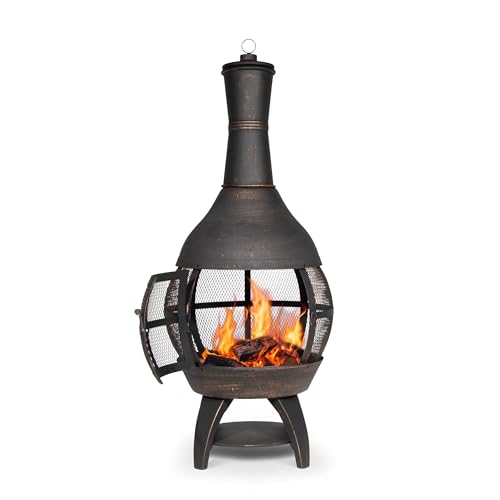
If you are using a chiminea made of cast iron, it's best to install a grate to prevent damage from falling hot coals. You should also sand down the bottom of the stack to avoid the rusting. Don't use water to flush out your chiminea as the shock of the temperature fluctuations could cause it to crack.